
Cultural insights into the nuances of gambling practices worldwide
Gambling Traditions Across Continents
Gambling practices vary significantly across different cultures and continents, reflecting unique social norms and values. In Asia, for example, gambling is deeply embedded in tradition. The Chinese practice of Mahjong, often played during family gatherings, transcends mere entertainment, symbolizing luck and unity. Meanwhile, countries like Japan have seen a rise in the popularity of Pachinko, combining gaming and gambling in a way that appeals to a broad audience. For those looking for the best online casino australia, the options have never been more exciting.

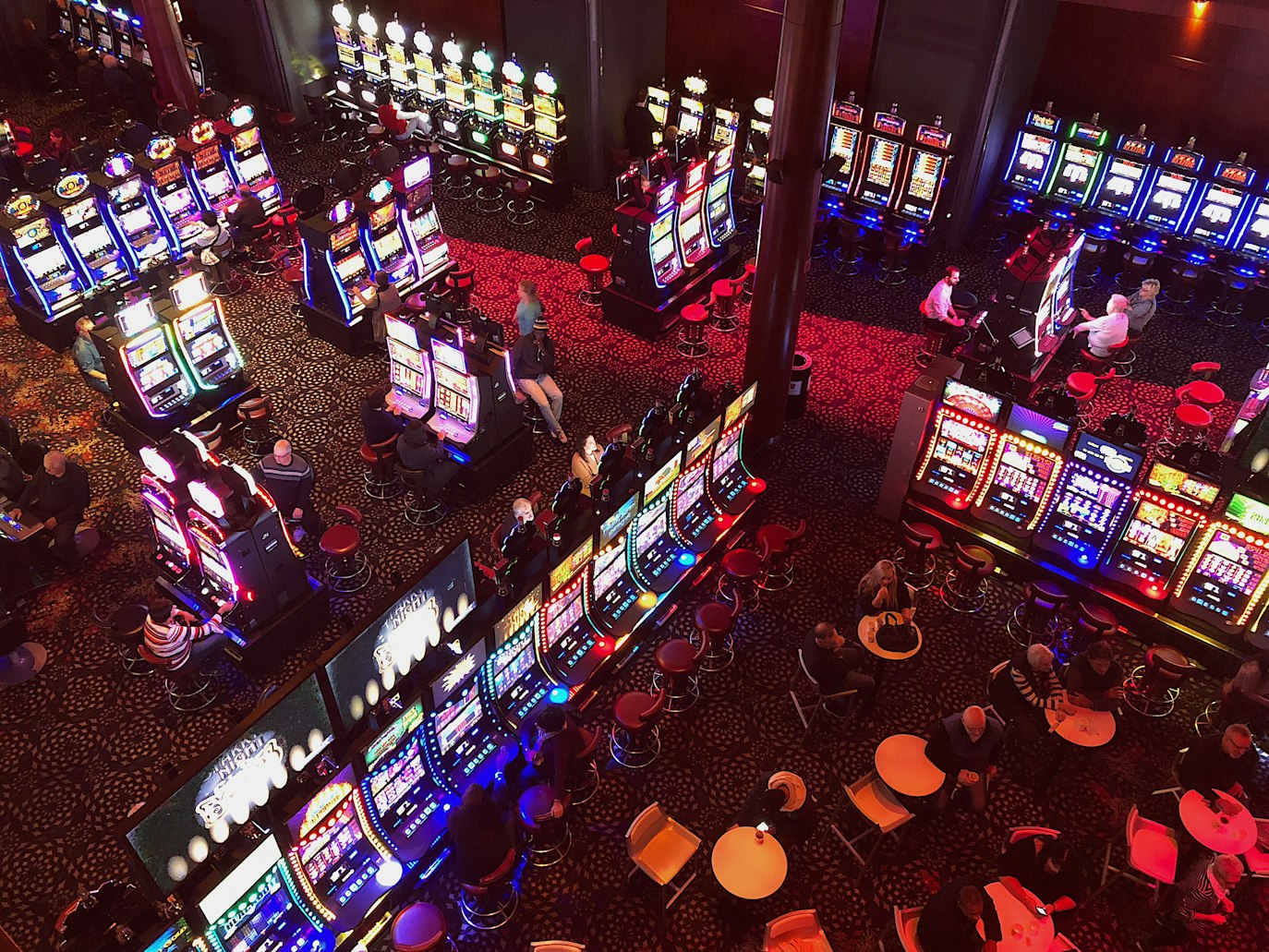
In contrast, Western cultures have popularized casino-style gambling, with Las Vegas becoming an iconic destination. The allure of slot machines and table games, such as poker and blackjack, draws millions, showcasing a more commercialized approach to gambling. This juxtaposition highlights how cultural backgrounds shape gambling experiences and expectations.
The Role of Regulations and Laws
Regulations surrounding gambling practices are influenced heavily by cultural perceptions and government policies. In countries like the United Kingdom, gambling is a regulated industry, with specific laws ensuring player protection and fair play. This has resulted in a thriving market where online and offline gambling coexist harmoniously.
Conversely, in several regions, gambling remains taboo or is outright illegal due to religious or cultural beliefs. Countries like Saudi Arabia prohibit gambling entirely, reflecting the influence of Islamic teachings. These regulations not only affect local players but also impact international gambling operators seeking to enter these markets.
Cultural Perspectives on Luck and Chance
The concept of luck varies widely across cultures and often influences gambling practices. In many Western societies, luck is seen as a random force, often embodied in the role of chance in games of chance. This perspective fosters a belief in strategies that can enhance one’s luck, such as betting systems in poker or blackjack.
In contrast, some Asian cultures place a significant emphasis on fate and destiny. For example, many gamblers in China consult fortune tellers or use auspicious dates for gambling activities. This philosophical approach to luck creates a deeper connection between the player and the outcome, as it intertwines with cultural beliefs about the universe.
Social Aspects of Gambling
Gambling serves as a social activity in many cultures, acting as a bonding experience among friends and families. In certain cultures, community events often include games of chance, reinforcing social ties and collective identity. The communal aspect of gambling can turn games into celebrations, where the act of playing together is just as important as winning.
However, social attitudes toward gambling also vary. In some societies, it is celebrated and embraced, while in others, it is stigmatized. These attitudes can shape the gambling landscape, influencing not only the popularity of certain games but also the types of establishments that are allowed to operate.
Exploring Online Gambling in Modern Culture
As technology advances, online gambling has transformed traditional practices, creating new avenues for engagement. Websites catering to gambling enthusiasts offer diverse games and features that appeal to a global audience. In countries like Australia, platforms that support secure payment methods have become popular, allowing players to enjoy their favorite games conveniently.
This shift to online platforms has made gambling more accessible, but it also brings cultural nuances into play. While some cultures embrace the anonymity of online gambling, others may view it with skepticism. Understanding these cultural insights is essential for operators aiming to succeed in various markets, ensuring they cater to local preferences while promoting responsible gaming practices.