
The Thrill of Uncertainty
Gambling at casinos taps into the human psyche’s appreciation for risk and uncertainty. The excitement of not knowing the outcome keeps players engaged and eager to wager. This thrill is closely linked to the release of dopamine, a neurotransmitter that plays a crucial role in the brain’s reward system. When players win, even a small amount, it triggers feelings of pleasure that can be highly addictive, driving them to seek the experience repeatedly. This desire for exhilaration often leads players to search for the best casino platforms for Aussies, ensuring they find the right environment to satisfy their craving.
This element of surprise is heightened by the allure of high-stakes games and the prospect of life-changing wins. Casino environments are designed to amplify these feelings, with bright lights and sounds that keep the adrenaline pumping. As such, the unpredictability of outcomes feeds into the psychological enjoyment of gambling, reinforcing the behavior and often leading to more frequent visits to casinos.
The Role of Cognitive Biases
Cognitive biases play a significant role in gambling behavior, influencing players’ perceptions and decisions. One common bias is the illusion of control, where individuals believe they can influence the outcome of random events, such as dice rolls or card draws. This belief can lead players to make riskier bets and continue gambling even when facing losses, buoyed by the hope that their skills can turn the tide.
Additionally, the gambler’s fallacy—where players think that past outcomes can affect future results—also contributes to persistent gambling behavior. For instance, after a series of losses, a gambler might feel a win is “due.” These cognitive distortions can keep players engaged in games longer than they should, often leading to problematic gambling habits.
The Impact of Social Influences
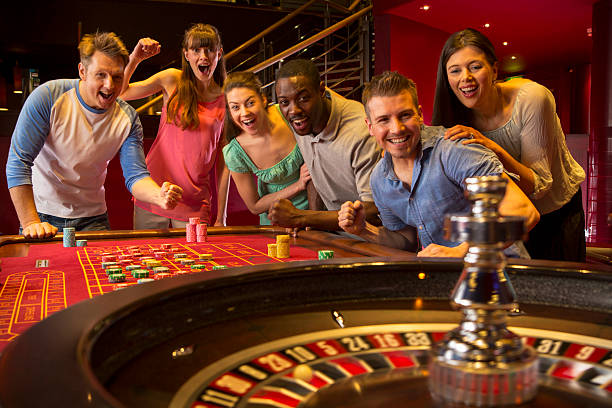
Social dynamics significantly influence gambling behavior, making casinos vibrant hubs for interaction. Many visit casinos not just for the games but also for the social experience they offer. The atmosphere of camaraderie, shared excitement, and peer pressure can enhance the thrill of gambling. Observing others win or engage in high-stakes betting can motivate individuals to join in, contributing to the communal aspect of gambling.
Moreover, the social environment can also normalize gambling behavior. As individuals witness friends or acquaintances gambling without negative consequences, they may be more likely to participate. This social validation reinforces the idea that gambling is a fun and acceptable pastime, potentially leading to increased participation in gambling activities.
The Psychological Escape
For many, gambling at casinos serves as a form of escapism, providing a break from everyday life. The excitement of betting and the immersive casino environment offer an alternative reality where players can forget their worries and indulge in thrills. This psychological escape can be particularly appealing during times of stress or boredom, making casinos a tempting refuge.
Unfortunately, this coping mechanism can quickly spiral into problematic gambling if individuals rely on it as their primary means of managing stress. Recognizing these patterns is crucial, as it can help individuals address their underlying issues in healthier ways rather than masking them through gambling.
Exploring Further Resources
This website serves as a comprehensive resource for understanding various aspects of gambling. While certain areas may be restricted at present, there is a wealth of information available that can assist those interested in the psychology and implications behind gambling behaviors. Visitors are encouraged to explore the accessible sections for valuable insights and support.
Engaging with this site can provide visitors with a deeper understanding of not only the allure of casino gaming but also the psychological factors at play. Whether seeking information for personal interest or support, the resources available can help foster a more informed perspective on gambling.